

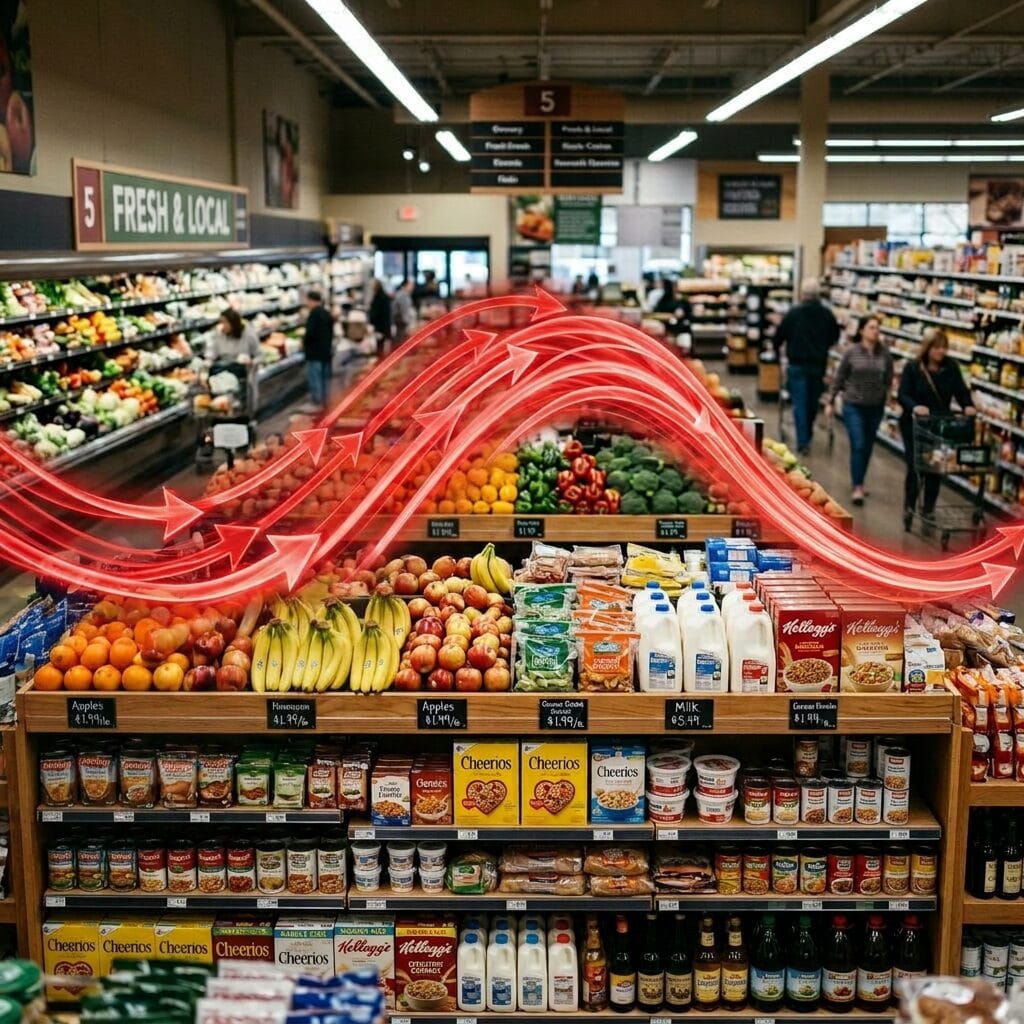
For the first time in months, Americans have received some encouraging news about inflation.
New data shows that consumer inflation slowed more than economists expected in June, offering a welcome sign that the rapid rise in prices may finally be easing. Lower energy costs played a major role in the improvement, helping reduce the overall cost of living for households that have spent years dealing with higher prices for everything from groceries to transportation.
The report was welcomed by investors and consumers alike.
But beneath the positive headlines lies a more complicated story.
Inflation may be slowing, but it has not disappeared. And with renewed tensions in the Middle East threatening to push oil prices higher once again, economists warn that the recent improvement could prove temporary rather than permanent.
Why Inflation Matters
Inflation measures how quickly the prices of goods and services rise over time.
When inflation is high, everyday expenses become more expensive. Families spend more on fuel, food, housing, insurance, and healthcare, leaving less money for savings or discretionary purchases.
Businesses also feel the impact.
Higher costs for raw materials, transportation, and wages can reduce profits or force companies to increase prices for consumers.
That is why inflation affects nearly everyone, regardless of income or profession.
Lower Energy Prices Made the Difference
One of the biggest reasons inflation slowed in June was the sharp decline in energy prices.
Gasoline became significantly cheaper during the month, helping reduce transportation costs for households and businesses. Since fuel prices influence the cost of moving goods across the country, lower energy prices often ease inflation in many other parts of the economy as well.
Consumers also benefited from lower prices in several categories, including clothing and some durable goods, providing additional relief after months of elevated costs.
The result was a better-than-expected inflation report that surprised many market analysts.
The Good News Comes With a Warning
While the latest numbers are encouraging, economists are urging caution.
The decline in inflation reflects conditions during June, when energy prices were falling.
Since then, geopolitical tensions have intensified again, particularly in the Middle East. Rising concerns about oil supplies have already pushed crude prices higher, raising the possibility that fuel costs could increase again in the coming weeks.
If energy prices continue climbing, inflation could once again accelerate.
In other words, today’s good news may not necessarily predict tomorrow’s trend.
Core Inflation Offers Another Positive Sign
Economists also pay close attention to “core inflation,” which excludes food and energy because those prices can change rapidly.
Core inflation remained relatively stable in June, suggesting that price pressures across many parts of the economy may be gradually easing.
This is important because it provides a clearer picture of underlying inflation rather than temporary swings caused by oil or food markets.
Although inflation remains above the Federal Reserve’s long-term target, the latest figures suggest that some of the broader pricing pressures may finally be cooling.
What This Means for Interest Rates
Whenever inflation changes, attention quickly turns to the Federal Reserve.
The Fed’s primary goal is to keep inflation under control while supporting economic growth. If prices rise too quickly, the central bank often raises interest rates to slow spending and reduce inflationary pressure.
A softer inflation report may reduce the immediate pressure for additional rate increases.
However, policymakers are unlikely to declare victory just yet.
They will continue watching future inflation reports, employment data, consumer spending, and energy prices before making major decisions on monetary policy.
Financial Markets Welcomed the Report
Investors reacted positively to the lower inflation figures.
Slower inflation generally improves confidence because it reduces fears that borrowing costs will rise sharply. Lower expectations for future interest rate increases often support stock markets while easing pressure on businesses and consumers.
Bond markets also responded as investors reassessed the likelihood of future Federal Reserve action.
Even so, markets remain cautious.
Much will depend on whether inflation continues to decline over the coming months.
Families Are Still Feeling the Pressure
Although inflation is slowing, many households continue to face higher living costs than they did just a few years ago.
Prices rarely return to previous levels after periods of inflation.
Instead, slower inflation simply means prices are rising more slowly.
Families may notice some relief at the gas pump or in certain retail categories, but housing, insurance, healthcare, and many everyday expenses remain significantly more expensive than before the recent inflation surge.
For many consumers, affordability remains a major concern.
Global Events Still Influence Local Prices
One lesson from the past few years is that inflation is no longer driven only by domestic economic conditions.
Wars, trade disputes, supply chain disruptions, natural disasters, and energy markets all influence prices around the world.
The latest inflation report illustrates that connection perfectly.
Lower fuel prices helped improve inflation in June.
Renewed geopolitical tensions could reverse some of those gains only weeks later.
In today’s global economy, events thousands of miles away can quickly affect household budgets at home.
The Bottom Line
June’s inflation report provides welcome evidence that price pressures may finally be easing after a prolonged period of higher costs.
Lower energy prices, stable core inflation, and improving market confidence all point in a positive direction.
But the fight against inflation is not over.
Rising geopolitical tensions, volatile energy markets, and continued uncertainty about future economic conditions mean the path ahead remains unpredictable.
For consumers, businesses, and policymakers alike, the latest figures offer cautious optimism rather than complete reassurance.
Inflation may be slowing.
Keeping it under control will be the next challenge.

