


Every year, as Jewish communities around the world gather to celebrate their sacred festivals — from Rosh Hashanah and Yom Kippur to Passover and Hanukkah — the ancient rhythm of faith, reflection, and renewal continues. Yet outside these communities, many people still misunderstand what Judaism truly represents.
In an age when headlines often equate “Jewish” with “Zionist,” it has become essential to separate faith from ideology, spiritual people from political movements, and moral heritage from state power.
This confusion not only distorts how the world perceives Jews, but also erases the deep spiritual message that Judaism has offered humanity for thousands of years.
The Essence of Jewish Faith
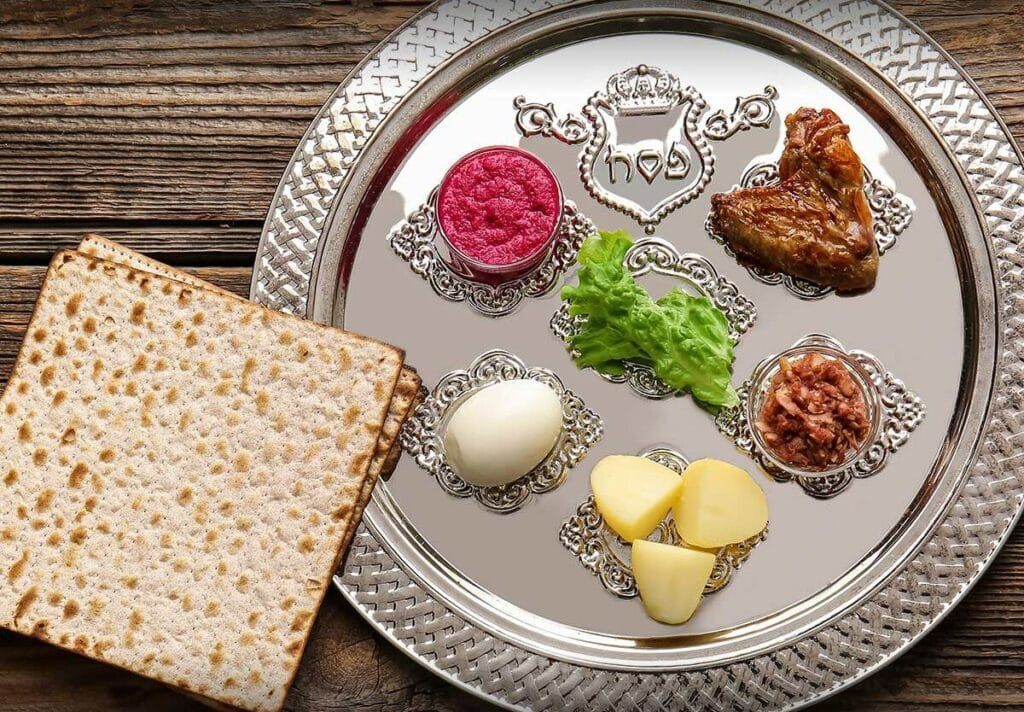
Judaism is among the world’s oldest monotheistic traditions — a faith centered on one Creator and on humanity’s covenant to live with justice, compassion, and humility.
Its festivals are not celebrations of conquest or superiority, but of liberation, repentance, gratitude, and moral awakening.
- Passover (Pesach) retells the story of freedom — the Israelites’ exodus from slavery in Egypt — reminding every generation that no person should be chained by oppression.
- Rosh Hashanah and Yom Kippur are days of reflection and forgiveness, calling people to examine their actions and renew their relationship with God and others.
- Sukkot celebrates simplicity and gratitude, recalling the fragile huts the Israelites lived in during their desert journey — a lesson in humility and dependence on divine grace.
- Hanukkah honors perseverance — the triumph of faith and light over tyranny and darkness.
Every festival, in essence, is a moral reminder: remember suffering, cherish freedom, and seek justice for all — not only for your own people.


Jews Are Not Zionists — And Zionism Is Not Judaism
To understand Judaism, one must make a clear distinction between the Jewish faith and the modern political ideology of Zionism.
Judaism is a religion — rooted in spiritual law, ethical living, and community. Zionism, born in the late 19th century, is a nationalist movement that sought to establish a Jewish state in the ancestral land of Israel. While many Jews identify with Zionism as part of their identity, millions around the world — including deeply religious and secular Jews alike — reject political Zionism, viewing it as incompatible with Judaism’s universal moral vision.
There are Jewish scholars, rabbis, and communities who teach that exile and diaspora were not punishments, but divine opportunities for Jews to be witnesses of justice, compassion, and peace among nations — not to dominate or occupy.
Confusing all Jews with Zionists not only fuels prejudice but also silences the diversity of thought within the Jewish world itself.
What the Festivals Really Teach the World
Each Jewish celebration carries lessons humanity urgently needs today:
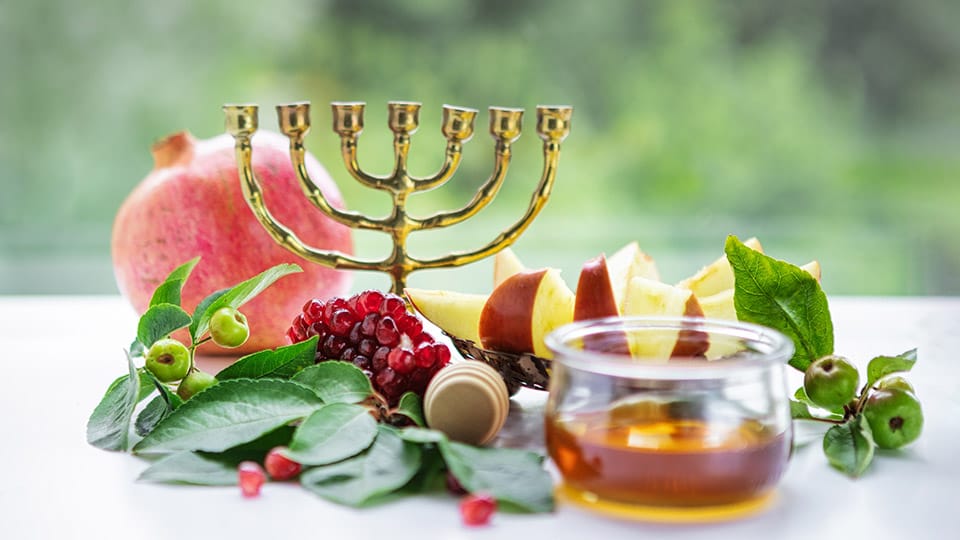

- Freedom without compassion leads to tyranny. Passover reminds us that liberation must serve all, not just the powerful.
- Repentance is strength, not weakness. Yom Kippur teaches that admitting wrongs and seeking forgiveness restore both the soul and society.
- Humility is sacred. Sukkot reminds us that our homes, nations, and wealth are fragile shelters in the desert of time.
- Light must outshine power. Hanukkah’s candles still burn as symbols of spiritual endurance — faith persisting even in the face of overwhelming might.
These lessons transcend borders and religions. They call every human being — Jew, Muslim, Christian, Hindu, or atheist — to live ethically and stand against injustice.
Remembering the True Spirit of Judaism
Judaism’s greatest gift to the world is not political but moral: the belief that righteousness is greater than empire, and that every person is created in the image of God.
The prophets of Israel — from Amos and Isaiah to Micah — did not speak of conquering lands; they spoke of feeding the poor, freeing the oppressed, and walking humbly with the Divine.
That is the Judaism of the Torah and of the countless Jewish sages who preserved conscience over comfort, peace over pride.
A Time to Reconnect
As the world grows more divided, the Jewish festivals remind us that faith is meant to heal, not to separate. They invite everyone — Jew and non-Jew alike — to rediscover what it means to live with gratitude, humility, and justice.
To truly honor Judaism is not to politicize it, but to listen to its ancient heartbeat: a call to serve, to forgive, and to stand for what is right even when the world does not.
Because being Jewish, at its deepest truth, is not about power — it is about light.