


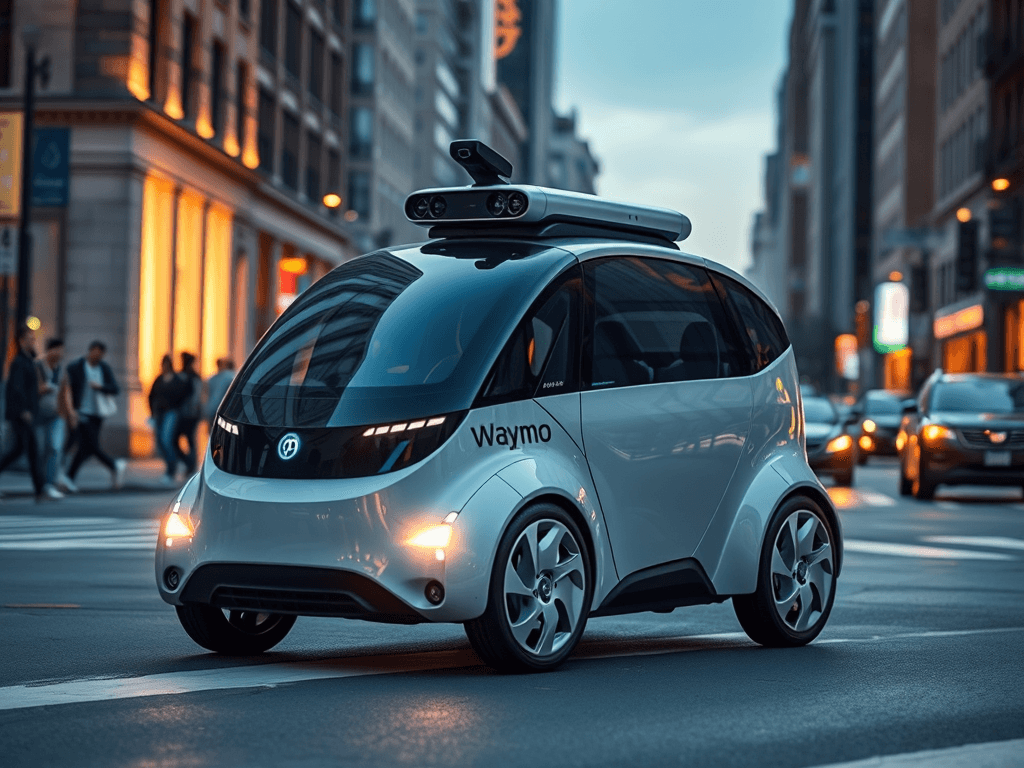
Waymo Pushes Back on “Remote Driving” Claims: Humans Help, But Don’t Steer the Robotaxis
Waymo is drawing a hard line in a growing political debate over how “driverless” robotaxis really operate.
After questions from Congress about the company’s use of remote assistance personnel—including some workers located outside the United States—Waymo says it does not use remote workers to drive its vehicles on public roads. The company insists its system remains the decision-maker, with humans serving as advisers, not joystick operators.
Why this is suddenly a Capitol Hill issue
As robotaxis expand in U.S. cities, lawmakers are increasingly focused on two questions:
- Safety: When a self-driving vehicle gets confused, what exactly happens next?
- Security: If humans can influence a vehicle remotely, who are those humans—and could the system be exploited?
Those concerns sharpen when remote assistance involves overseas personnel. Critics worry that foreign-based support could raise risks tied to coercion, compromise, or malicious interference.
Waymo’s core claim: “Remote assistance isn’t teleoperation”
Waymo’s message is blunt: remote driving or “tele-operations” are not used to perform actual driving tasks in live, on-road robotaxi operations.
Instead, Waymo describes remote assistance as high-level support for edge cases—situations where the vehicle is uncertain and requests help. In those moments, a remote worker may provide guidance (think: context or suggested options), but Waymo says the vehicle can reject those suggestions and continue to act based on its own automated driving system.
In short: Waymo is trying to separate two ideas that the public often blends together:
- Teleoperation: a human remotely steering/driving the car
- Remote assistance: a human providing advice while the system still drives
What remote workers actually do (as Waymo describes it)
Waymo says remote assistance is typically triggered only in ambiguous situations—the kinds of rare real-world scenarios that confuse even advanced autonomy stacks.
Waymo’s framing is that:
- the robotaxi handles most situations autonomously
- remote input is requested only when needed
- the interaction happens within seconds
- the vehicle remains in control of execution
This is “human-in-the-loop,” but with a strict boundary: the human isn’t the driver.
The “move the vehicle” exception—and the fine print
Waymo also acknowledged a narrow scenario that sounds like remote control—but it says it’s not what people assume.
The company says U.S.-based personnel (an “Event Response Team”) could, in rare cases, prompt a stopped vehicle to move forward at about 2 mph for a short distance to clear a travel lane. Waymo says this has not happened outside of training.
That detail matters because critics often argue that any remote motion equals remote driving. Waymo’s counter is that limited, low-speed nudging in controlled contexts is not the same thing as steering a robotaxi through real traffic.
The overseas angle: Philippines-based assistance and security concerns
A major flashpoint is that Waymo has acknowledged some remote assistance personnel are based in the Philippines. That’s what triggered national-security alarms from some lawmakers—especially the idea that foreign operators could be pressured or compromised.
Waymo’s defense is essentially: location doesn’t equal control. If remote assistance is advisory and the vehicle can refuse instructions, then the “foreign driver” framing is misleading.
But the political reality is simple: overseas involvement + vehicles on American roads is an easy controversy to ignite, even if the technical boundaries are real.
The bigger truth: “Driverless” still has humans in the system
Even if Waymo is correct that nobody is remotely steering its robotaxis, the debate reveals something the industry often downplays:
Autonomy is not the absence of humans—it’s a redesign of where humans sit in the workflow.
- Instead of a driver inside the car, you have supervision and support around the fleet.
- Instead of “human judgment every second,” you have “human judgment on demand.”
- The question becomes: how often, how critical, and under what controls?
That’s what regulators and lawmakers are now probing.
What to watch next
If this issue keeps growing, expect pressure for standardized disclosures like:
- how often remote assistance is invoked (per trip or per mile)
- worst-case latency and response times
- what permissions remote workers have (and don’t have)
- where workers are located and how they’re vetted
- how the system prevents abuse, takeover, or “shadow driving”
Because the public argument isn’t really about wording—it’s about trust. And trust in robotaxis will increasingly hinge on transparency about the humans behind the autonomy.