

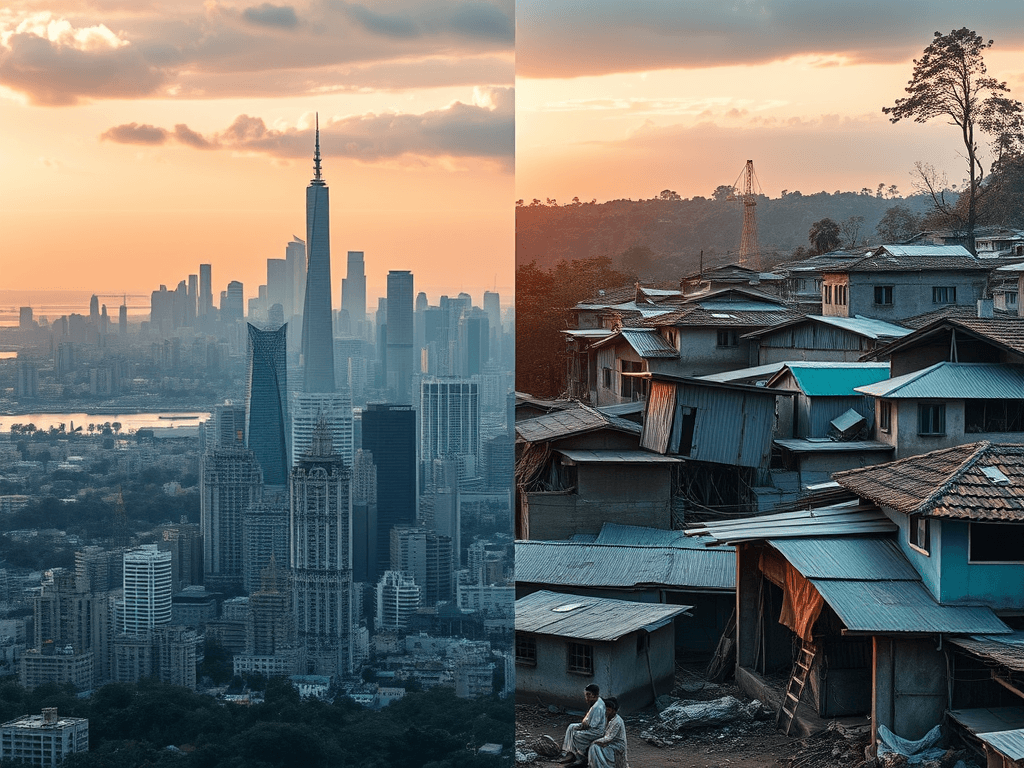
The World Bank’s latest Global Economic Prospects update delivers a mixed message: global growth looks resilient, but it remains too weak and uneven to make a meaningful dent in extreme poverty. In other words, the world may be avoiding outright collapse, yet still failing the deeper test—whether growth is strong enough, and broad enough, to lift the poorest populations.
That distinction matters. Modest headline growth can coexist with stagnant living standards when gains concentrate in a few countries, a few sectors, or a few income groups. Inflation may have cooled, but high debt burdens, fragile investment, conflict disruptions, and climate-related shocks keep many low-income economies from translating “global resilience” into real household progress.
The warning is essentially about pace. Reducing extreme poverty requires sustained, inclusive growth—more jobs, higher productivity, stronger basic services, and stability that encourages investment. If growth stays patchy, poverty reduction slows, inequality hardens, and setbacks from food prices, disasters, or conflict hit harder and last longer.
Bottom line: the World Bank is saying the global economy is holding up—but “holding up” isn’t the same as “catching up.”