

Diplomatic breakthroughs are often announced with dramatic headlines.
The real work, however, usually begins after the cameras leave.
The United States and Iran have now entered technical negotiations aimed at transforming months of political dialogue into a workable peace agreement. The talks are expected to focus on the practical details needed to implement a broader understanding between the two countries, including measures to restore commercial shipping through the Strait of Hormuz and reduce the risk of further military confrontation.
While the announcement does not guarantee a final agreement, it marks an important shift.
Diplomacy has moved from broad political promises to the difficult business of implementation.
History suggests that this stage is often the most challenging—and the most consequential.
Technical Talks Are Where Agreements Are Made
Political leaders can agree on principles.
Technical experts must determine how those principles actually work.
That distinction is critical.
A peace agreement involves far more than a handshake between diplomats. It requires detailed arrangements covering verification procedures, maritime security, sanctions, military coordination, inspection mechanisms, communication channels, and dispute resolution processes.
Every paragraph must be negotiated.
Every timeline must be agreed upon.
Every commitment must be measurable.
Without these technical foundations, even the strongest political agreements can collapse.
The Strait of Hormuz Remains the Centerpiece
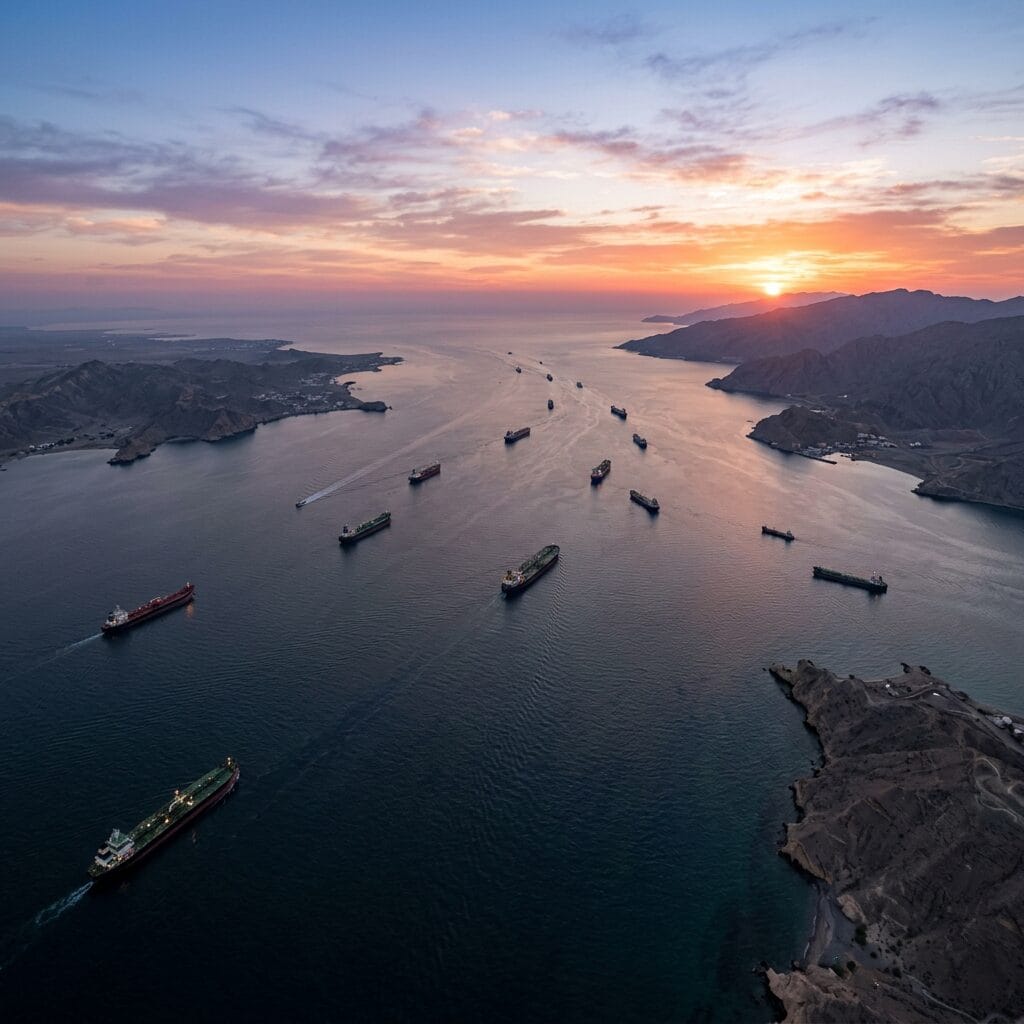
One of the most significant objectives of the negotiations is the restoration of secure commercial shipping through the Strait of Hormuz.
Few waterways carry greater strategic importance.
A substantial portion of the world’s seaborne oil exports passes through this narrow passage, making it one of the most critical maritime chokepoints in the global economy. Any disruption immediately affects energy markets, shipping companies, insurers, and governments around the world.
During periods of heightened tensions, concerns about attacks on commercial vessels and naval confrontations pushed oil prices higher and forced businesses to prepare for supply disruptions.
Restoring confidence in this shipping lane would benefit far more than the countries directly involved.
It would provide reassurance to global markets that one of the world’s most important trade routes can remain open and secure.
Markets Prefer Negotiation Over Uncertainty
Financial markets rarely demand perfection.
They value predictability.
Throughout the recent period of heightened tensions between Washington and Tehran, investors struggled to assess the risks associated with potential military escalation. Oil prices fluctuated sharply, shipping costs increased, and businesses faced growing uncertainty over global supply chains.
The beginning of technical negotiations changes that calculation.
While risks certainly remain, investors now have evidence that both sides are pursuing a structured diplomatic process rather than immediate confrontation.
That shift in expectations can influence everything from energy prices to stock market sentiment.
Sometimes the possibility of stability is enough to calm markets.
Diplomacy Is Built on Details
Public attention often focuses on major announcements.
Yet experienced negotiators understand that the smallest details frequently determine whether agreements succeed or fail.
Questions such as who monitors compliance, how disputes are resolved, what timelines are realistic, and how violations are addressed may appear technical.
In reality, they are the backbone of any lasting agreement.
Without clear procedures, misunderstandings become more likely.
Without verification, trust becomes difficult.
Without enforcement mechanisms, commitments lose credibility.
Technical negotiations exist precisely because lasting peace requires more than political goodwill.
It requires operational clarity.
Energy Markets Are Watching Closely
The progress of these talks extends far beyond foreign policy.
Energy producers, shipping companies, insurers, manufacturers, and central banks all have reasons to monitor developments carefully.
A more stable security environment in the Persian Gulf reduces the likelihood of supply disruptions that can drive sudden increases in oil prices. Lower energy volatility benefits businesses by improving planning and reducing operating costs.
Consumers also stand to benefit.
When energy markets stabilize, inflationary pressures often ease, helping households and businesses manage expenses more effectively.
For an interconnected global economy, secure shipping routes are an economic necessity as much as a strategic priority.
Trust Will Take Time to Rebuild
Even if negotiators reach a comprehensive agreement, rebuilding confidence will not happen overnight.
Relations between the United States and Iran have been marked by decades of political tensions, mutual distrust, sanctions, and regional conflicts.
That history cannot be erased through a single round of negotiations.
Instead, confidence will likely develop gradually through demonstrated compliance with agreed commitments.
Each successful implementation step creates additional trust.
Each setback risks slowing progress.
Diplomacy is rarely measured in dramatic moments.
It is measured in sustained follow-through.
Regional Stability Depends on More Than Two Countries
Although the negotiations are taking place between Washington and Tehran, their consequences extend across the Middle East.
Neighboring countries, regional allies, shipping operators, and international energy markets all have significant interests in the outcome.
Reduced tensions could lower the risk of broader regional escalation, improve commercial confidence, and encourage greater economic cooperation across the Gulf.
Conversely, if negotiations break down, uncertainty could return quickly.
The stakes therefore extend well beyond the bilateral relationship itself.
Peace Is an Economic Opportunity
Diplomatic agreements are often discussed primarily in political terms.
Their economic significance can be just as important.
Stable trade routes encourage investment.
Lower geopolitical risks reduce borrowing costs.
Businesses become more willing to expand.
International commerce flows more efficiently.
Financial markets respond positively to reduced uncertainty.
The economic dividends of peace are rarely immediate, but they often prove substantial over time.
That is why governments, investors, and multinational companies are paying close attention to these negotiations.
The Road Ahead Remains Difficult
No one should mistake technical talks for a guaranteed breakthrough.
Many negotiations reach this stage only to encounter disagreements over implementation, verification, or political commitments.
Unexpected regional developments can also influence the pace of diplomacy.
Success will require patience, compromise, and sustained political support from both governments.
Progress may come gradually rather than dramatically.
That is often how durable agreements are built.
The Meaning of the Moment
The launch of technical negotiations between the United States and Iran represents an important transition in one of the world’s most closely watched diplomatic efforts.
Political declarations have opened the door.
Now specialists must determine whether those declarations can become practical, enforceable commitments.
If successful, the talks could help restore confidence in global shipping, reduce geopolitical tensions, stabilize energy markets, and create conditions for broader regional cooperation.
If they falter, uncertainty could quickly return.
For now, however, the direction of travel matters.
The conversation has shifted from confrontation to implementation.
And in international diplomacy, that is often the first real sign that peace has become a possibility rather than merely an aspiration.

