

For the first time in months, there is a genuine sense that the United States and Iran may be approaching a diplomatic breakthrough.
Negotiators appear to be moving toward a framework agreement that could reduce tensions, reopen vital shipping routes, ease economic pressure, and create space for broader talks about Iran’s nuclear program.
Yet despite the optimism, one reality remains clear:
A deal that is almost signed is not the same thing as a deal that exists.
The closer diplomacy gets to the finish line, the more dangerous the final stretch becomes.
The Mood Has Shifted
Only weeks ago, discussion centered on military escalation, economic disruption, and the possibility of a broader regional conflict.
Now the conversation is increasingly focused on agreements, frameworks, technical negotiations, and diplomatic timelines.
That change alone is significant.
When governments begin arguing about the wording of a deal rather than exchanging threats, the political atmosphere changes. Investors notice. Oil markets notice. Regional governments notice. Ordinary citizens notice.
Hope begins to compete with fear.
But hope is not yet certainty.
Timing Has Become the Biggest Question
One of the most striking aspects of the current negotiations is that both sides appear optimistic about progress while remaining cautious about deadlines.
Political leaders have suggested a signing could happen soon, while Iranian officials have warned that important reviews and decisions are still underway.
That difference may sound minor.
It is not.
Diplomatic agreements often fail at the very moment they appear closest to success. Domestic politics, legal concerns, security reviews, and last-minute disagreements can derail months of negotiations.
The closer a deal gets, the more scrutiny it receives.
The Strait of Hormuz Remains Central
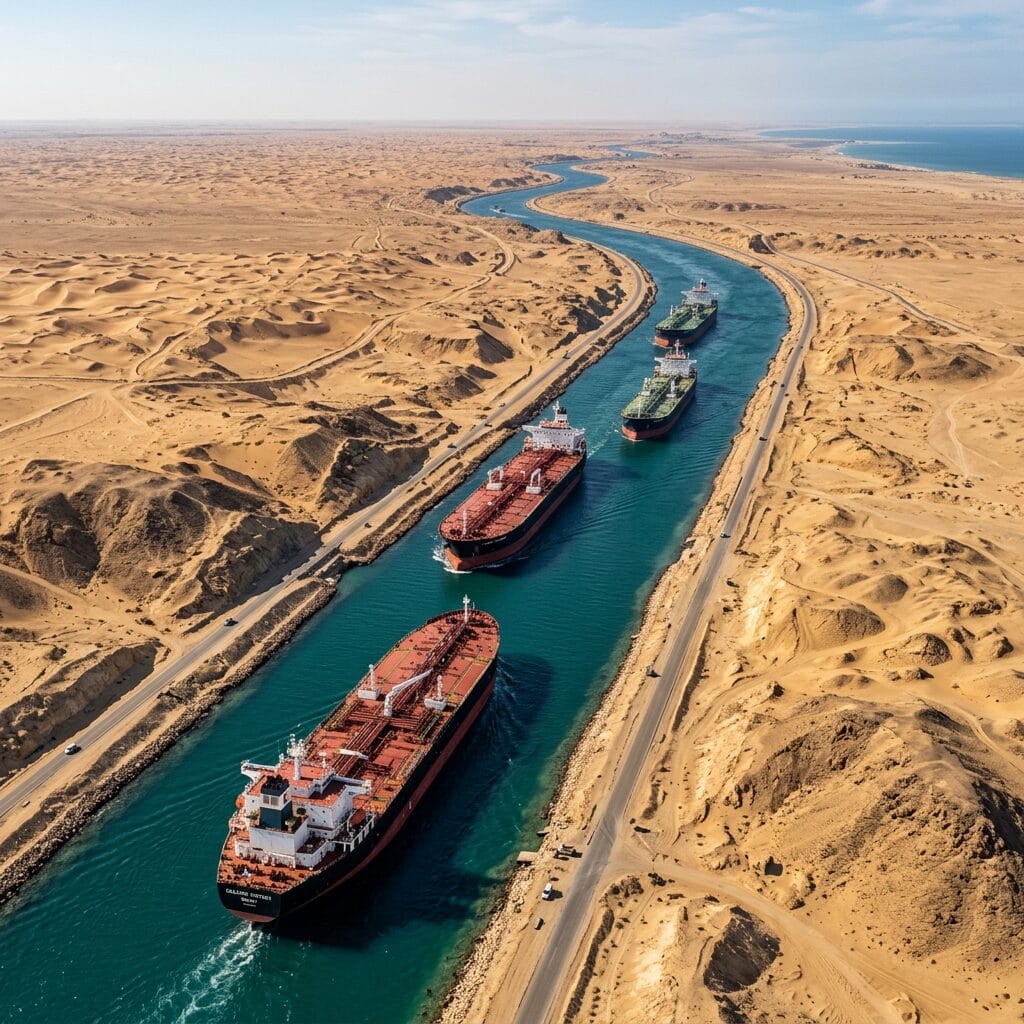
At the heart of the discussions is the future of the Strait of Hormuz.
Few waterways matter more to the global economy.
A large share of the world’s energy trade passes through this narrow maritime corridor. Any disruption immediately affects shipping markets, insurance costs, fuel prices, and investor confidence.
That is why reopening and stabilizing traffic through the strait has become such a critical objective.
If the agreement succeeds, it could remove one of the biggest sources of uncertainty hanging over global energy markets.
If it fails, those fears could quickly return.
Economics Is Driving Diplomacy
Security concerns matter.
Nuclear issues matter.
Regional conflicts matter.
But economics may be providing the strongest incentive for compromise.
Iran wants relief from economic pressure and greater access to international markets. The United States wants stability in energy markets and reduced regional tensions. Businesses want predictability. Consumers want lower energy costs. Trading partners want safer shipping routes.
In many ways, the negotiations are being driven by the simple reality that prolonged conflict is expensive for everyone involved.
Economic pain often succeeds where political arguments fail.
The Nuclear Question Has Not Disappeared
Even if a framework agreement is reached, the most difficult issues may still lie ahead.
Iran’s nuclear program remains one of the most contentious subjects in international diplomacy. Questions surrounding enrichment, monitoring, verification, and long-term commitments are extraordinarily complex.
A preliminary agreement can create space for discussion.
It cannot automatically solve decades of mistrust.
That means any breakthrough should be viewed as a beginning rather than an ending.
The hardest negotiations may still be waiting.
Domestic Politics Could Become the Biggest Obstacle
Every international agreement has two audiences.
The foreign government sitting across the table.
And the domestic audience watching at home.
Leaders must convince their own supporters that compromise is worthwhile. Hardliners often see concessions as weakness. Critics look for flaws. Opponents search for political advantage.
That dynamic is visible in both countries.
Even if negotiators reach consensus, they must still navigate political resistance from people who believe the other side cannot be trusted.
History shows that domestic opposition can be just as powerful as foreign pressure.
Regional Players Are Watching Carefully
The agreement is not only about Washington and Tehran.
Other countries across the Middle East are watching every development closely.
Regional powers want stability, but they also want security guarantees. Some welcome de-escalation. Others worry about how a new arrangement could shift the balance of influence.
This means that even a successful agreement will not eliminate regional tensions overnight.
It may reduce the temperature.
It will not erase the underlying rivalries.
Markets Are Betting on Stability
Financial markets often act as an early indicator of expectations.
When investors believe conflict may ease, risk premiums begin to fall. Energy traders reassess supply concerns. Businesses reconsider delayed investments. Shipping companies gain confidence.
That does not mean markets are always correct.
But it does show how much economic value is attached to even the possibility of peace.
Diplomacy can create wealth simply by reducing uncertainty.
Expectations Need to Stay Realistic
One danger surrounding the current negotiations is excessive optimism.
People often expect diplomatic breakthroughs to produce immediate transformation. They imagine instant stability, immediate economic recovery, and the disappearance of long-standing disputes.
Reality is rarely so simple.
Even if an agreement is signed tomorrow, implementation will take time. Verification will take time. Trust-building will take time. Political disputes will continue.
Successful diplomacy is usually a process rather than a moment.
The Meaning of the Moment
The emerging U.S.–Iran agreement represents something important: proof that diplomacy remains possible even after months of confrontation.
That alone is significant.
The framework being discussed could reopen vital trade routes, reduce military tensions, create economic opportunities, and establish a path toward broader negotiations.
Yet the deal remains unfinished.
Questions about timing, implementation, domestic support, and long-term commitments still hang over the process.
The world may be witnessing the beginning of a diplomatic breakthrough.
Or it may be witnessing the most fragile stage of one.
For now, the negotiations have moved from the battlefield to the conference table.
Whether they stay there is the question that matters most.