

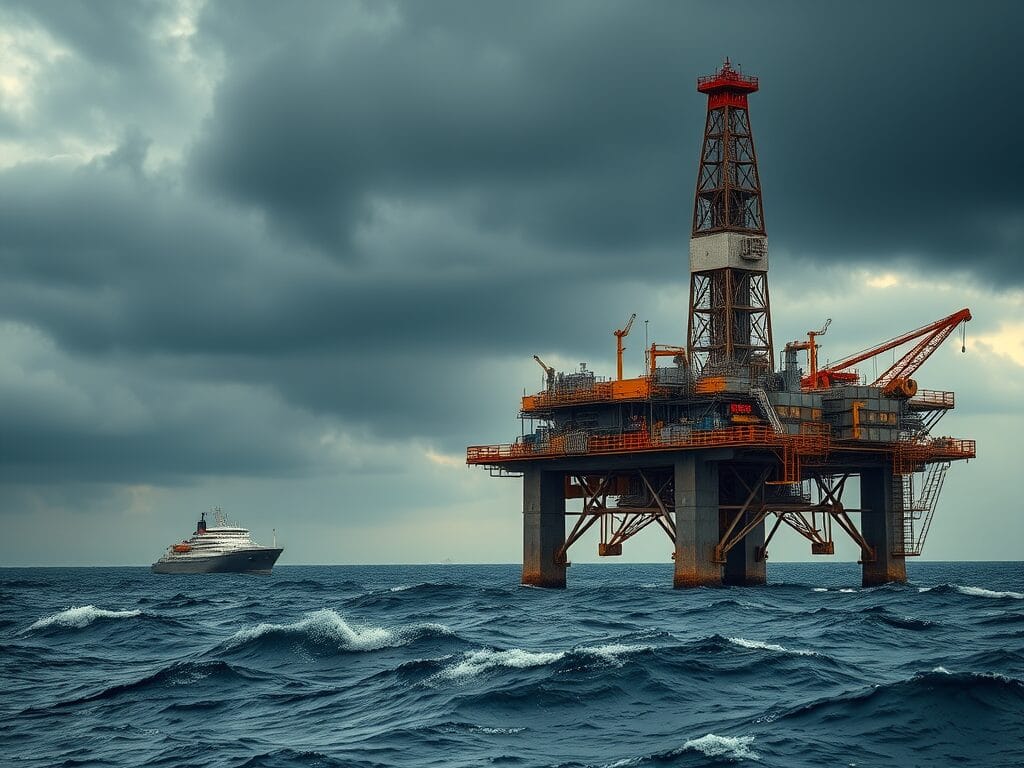
The International Energy Agency just issued one of the starkest warnings it has ever made: the war in the Middle East has triggered the largest oil supply disruption in the history of oil markets — and the fallout is now moving from “risk premium” into real barrels missing from the system.
The headline number: 8 million barrels per day gone
The IEA says global oil supply in March is expected to fall by about 8 million barrels per day, nearly 8% of global demand. The primary driver is the effective shutdown of the Strait of Hormuz, the critical maritime chokepoint for Gulf oil and LNG, after U.S. and Israeli strikes on Iran and the resulting escalation.
That’s the difference between a volatile market and a crisis: not fear, but physical disruption.
Gulf output has been slashed — and recovery won’t be instant
According to the IEA, Gulf producers have been forced into major production cuts, with the region’s output reduced by more than 10 million barrels per day. Even if fighting cools, restoring normal production and shipping flows takes time — not hours — because the bottleneck is now logistics, insurance, and security, not just pumping capacity.
Emergency response: a record strategic stock release
To prevent the energy shock from turning into a full-scale global economic crunch, the IEA authorized a record release of 400 million barrels from strategic reserves.
The idea is to bridge the gap while markets attempt to re-route supply, stabilize shipping, and reduce panic buying. It’s a huge move — but it also signals how severe policymakers believe the disruption is.
Oil prices: from spike to “still dangerously high”
Prices have been extremely volatile, but the pattern is clear: the market repriced the world into a scarcity scenario.
Brent surged as high as roughly $120 earlier in the week before pulling back, but it has remained elevated (around the high double-digits) — high enough to threaten everything from airline demand to household inflation expectations.
Why this crisis hits more than gas stations
When oil shocks hit at this scale, the damage spreads through multiple channels at once:
- Inflation pressure: higher transport and input costs ripple into food, retail, and manufacturing
- Interest rates: central banks become more cautious about cutting if energy drives inflation back up
- Growth risk: consumers pull back as fuel and essentials rise; business confidence weakens
- Market volatility: energy and defense can rally while airlines, shipping, and rate-sensitive sectors get hammered
Demand is still rising — but slower
The IEA says the crisis is already shaving some demand through flight cancellations and uncertainty, but it still expects global oil demand to grow in 2026 — just at a slower pace than previously projected.
That’s an important point: the world doesn’t need demand to surge for oil to stay expensive. It only needs supply to stay disrupted.
The “relief valves” are limited — but not zero
There are a few partial offsets that can help stabilize the system if they scale quickly:
- Alternative export routes: Saudi Arabia and the UAE can reroute some barrels via Red Sea ports and the Fujairah corridor, but not enough to fully replace normal Hormuz throughput.
- Non-OPEC supply: some producers outside the Gulf can increase output, but the ramp is slower than the shock.
What happens next: three things to watch
If you want to understand where prices go from here, the next phase depends less on speeches and more on logistics:
- Hormuz access: even partial reopening would change pricing fast
- Shipping insurance and tanker movement: if insurers and shippers still refuse to move, the “paper blockade” continues
- Policy actions: more reserve releases, escort plans, and OPEC+ adjustments could calm markets — or fail to
Bottom line
The IEA’s message is that this isn’t a normal geopolitical bump. It’s a historic supply event — the kind that can reshape inflation, rates, and growth trajectories worldwide.