


Your kidneys work quietly in the background every day — filtering waste, balancing fluids, and keeping your body’s chemistry stable. When kidney function becomes strained or impaired, food becomes more than fuel — it becomes therapy.
A kidney-friendly diet aims to reduce the workload on the kidneys by managing sodium, potassium, and phosphorus, while still delivering essential nutrients and flavor.
Below is a guide to foods that support kidney health. However, every kidney condition is unique — always speak with your doctor or renal dietitian before changing your diet.
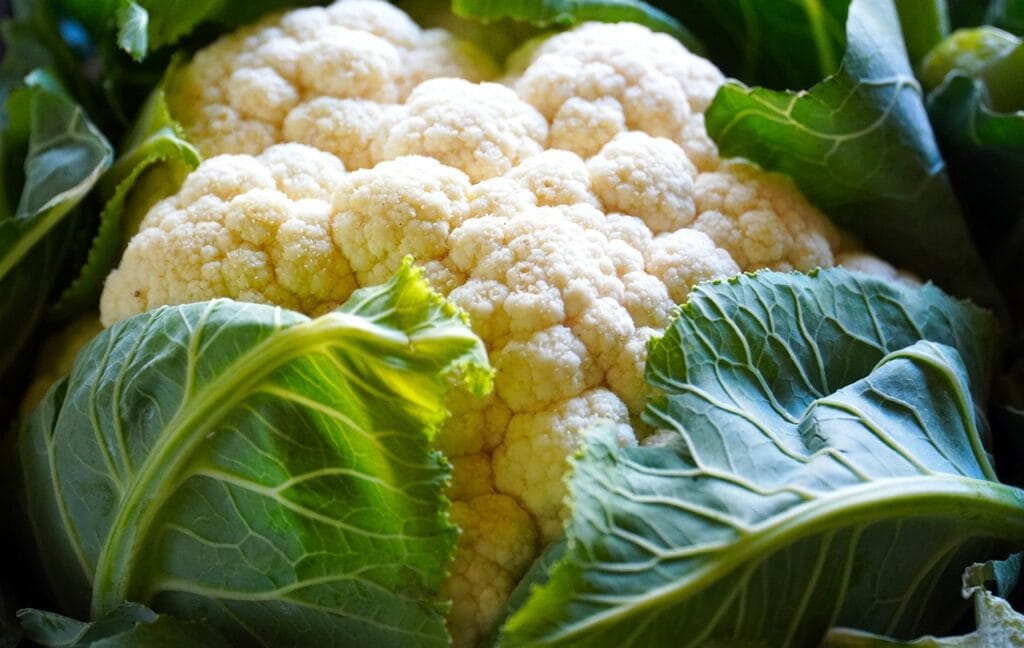
1. Cauliflower — Gentle, Adaptable, and Low in Potassium
Cauliflower is a nutrient-dense vegetable that fits naturally into a renal diet.
- Low in potassium, sodium, and phosphorus
- Rich in fiber and anti-inflammatory compounds
- A smart replacement for higher-potassium vegetables like potatoes
Try it steamed, roasted, or mashed as a potato alternative.
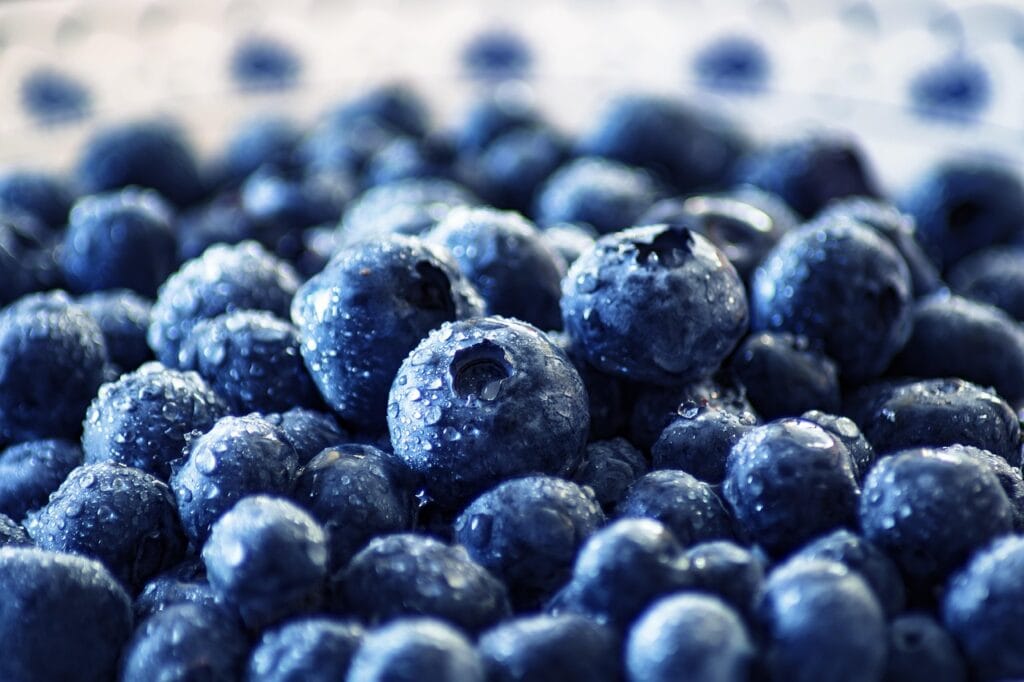
2. Blueberries — Antioxidant Protection
Blueberries are rich in anthocyanins — powerful antioxidants that help reduce oxidative stress on the kidneys and heart.
They’re also:
- Low in sodium and potassium
- Easy to include in smoothies, yogurt, or as a snack
Moderation is key if monitoring blood sugar.
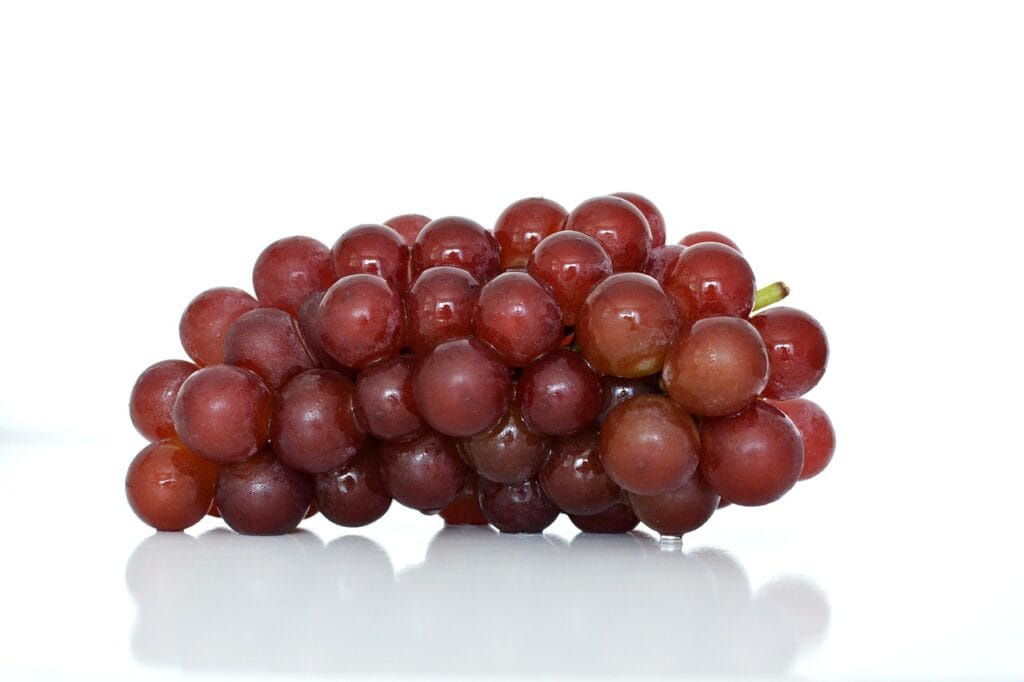
3. Red Grapes — Heart and Kidney Support
Red grapes contain resveratrol, a compound linked to heart and cognitive health.
They offer:
- Vitamin C
- Anti-inflammatory properties
- A refreshing, kidney-safe fruit option
Enjoy fresh, not dried — raisins are high in potassium.
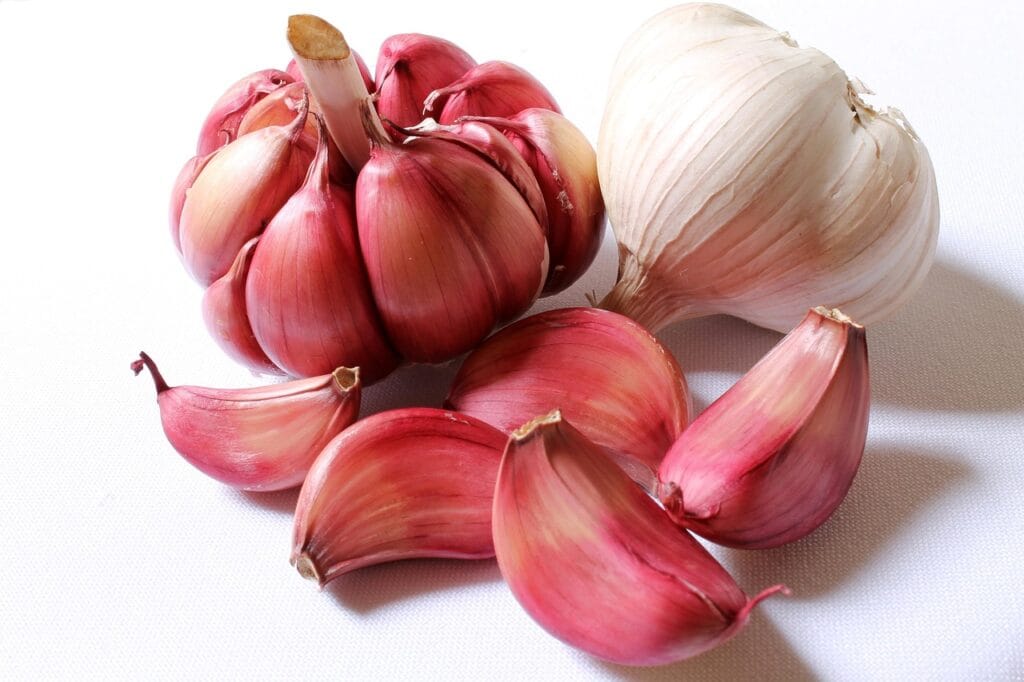
4. Garlic — Flavor Without the Salt
Garlic adds depth and richness to meals without sodium.
It also offers:
- Anti-inflammatory effects
- Immune support
- Cardiovascular benefits
Use it fresh or roasted to replace salt-heavy seasonings.
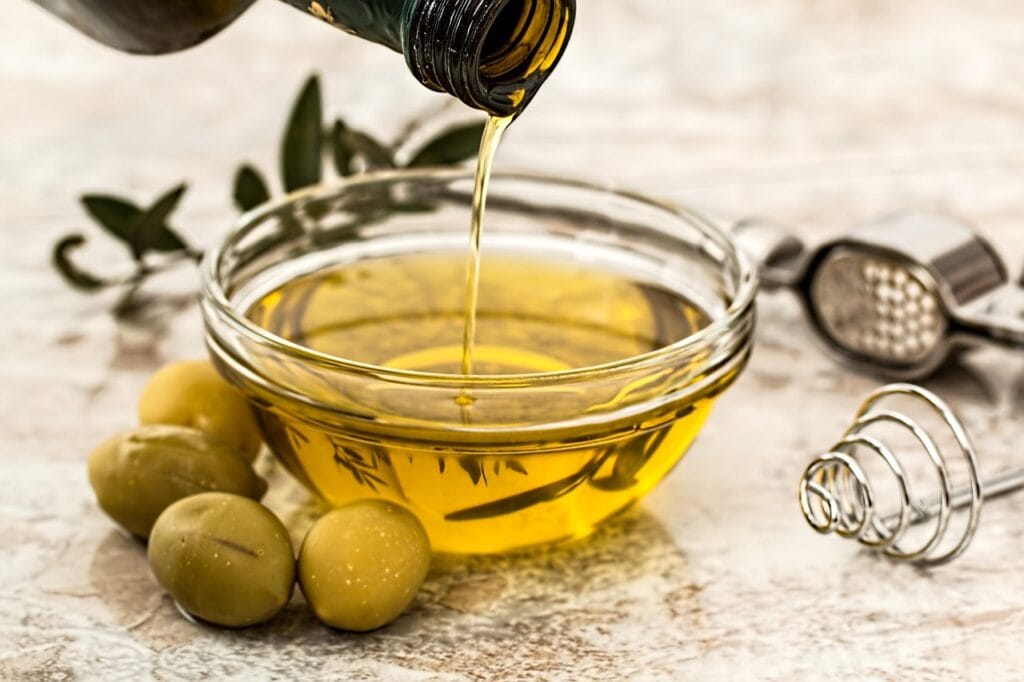
5. Olive Oil — Healthy Fats for Renal Nutrition
Olive oil is:
- Free of potassium and phosphorus
- High in heart-healthy monounsaturated fats
- A clean source of calories, especially helpful for patients experiencing weight loss
Drizzle over vegetables or use as your primary cooking oil.
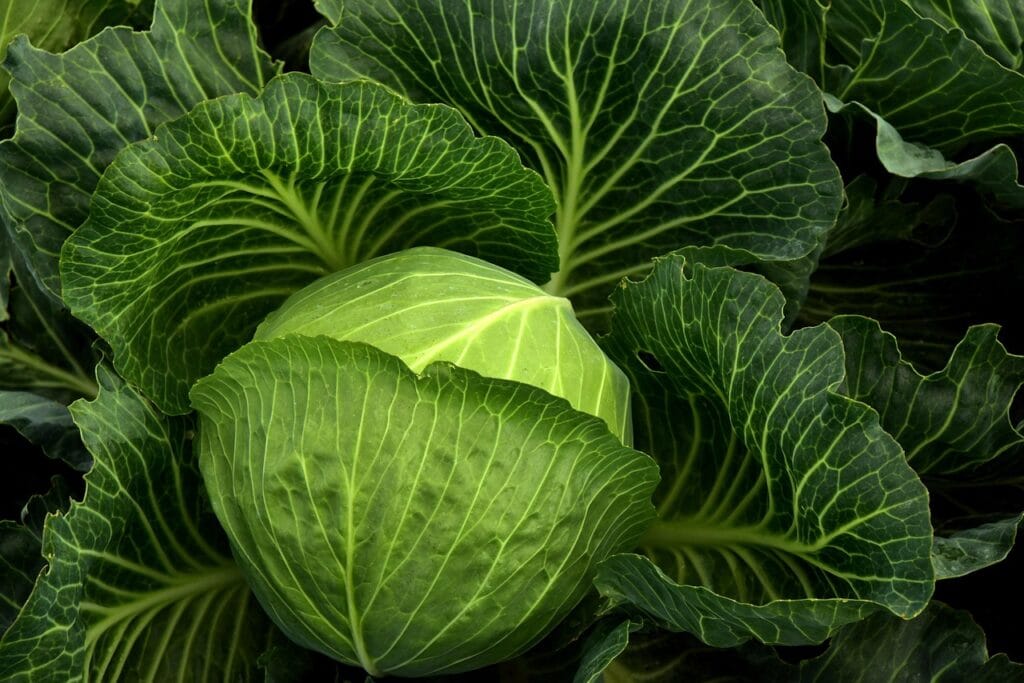
6. Cabbage — A Light, Fiber-Rich Green
Cabbage is:
- Low in potassium
- Rich in Vitamins C, B6, and K
- Supportive for digestion
Enjoy it raw, sautéed, or lightly steamed.
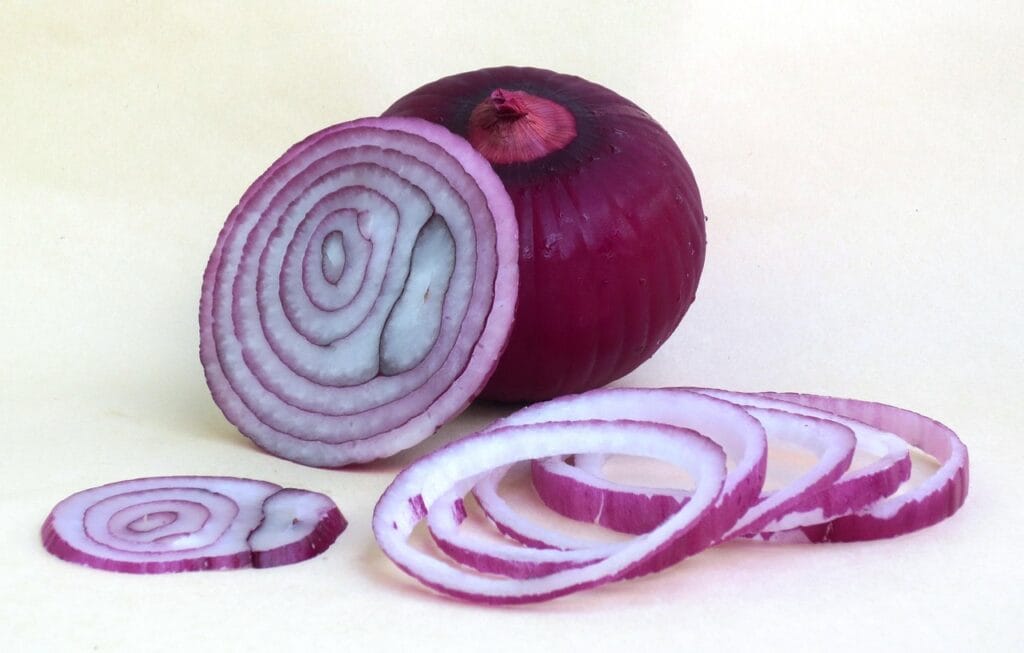
7. Onions — Aroma and Flavor, Without the Strain
Onions provide flavor while helping you reduce salt use.
They are:
- Low in potassium and phosphorus
- Rich in antioxidants and prebiotic fibers that support gut health
Use them as a base for soups, sauces, and stir-fries.

8. Arugula — A Kidney-Safe Green
Unlike spinach or Swiss chard, arugula is naturally low in potassium.
It also contains nitrates, which may help lower blood pressure — a major concern in kidney disease.
Add to salads or use as a fresh garnish.
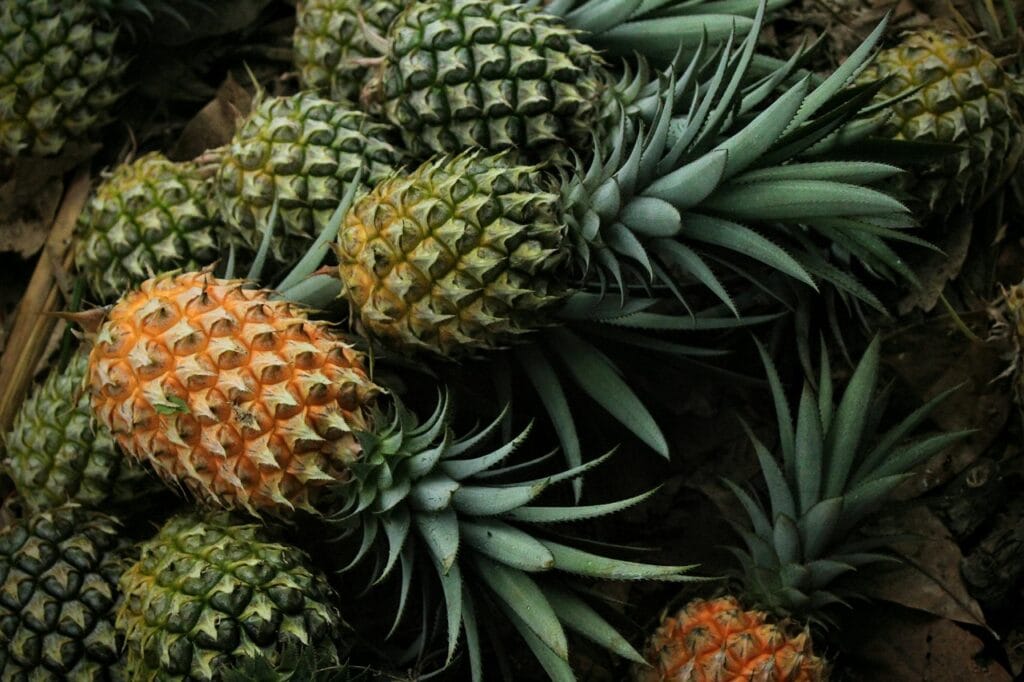
9. Pineapple — A Bright, Low-Potassium Fruit Option
Many tropical fruits are high in potassium — pineapple is a refreshing exception.
It provides:
- Vitamin C
- Bromelain, which may help reduce inflammation
Choose fresh or frozen, and avoid canned pineapple in syrup.
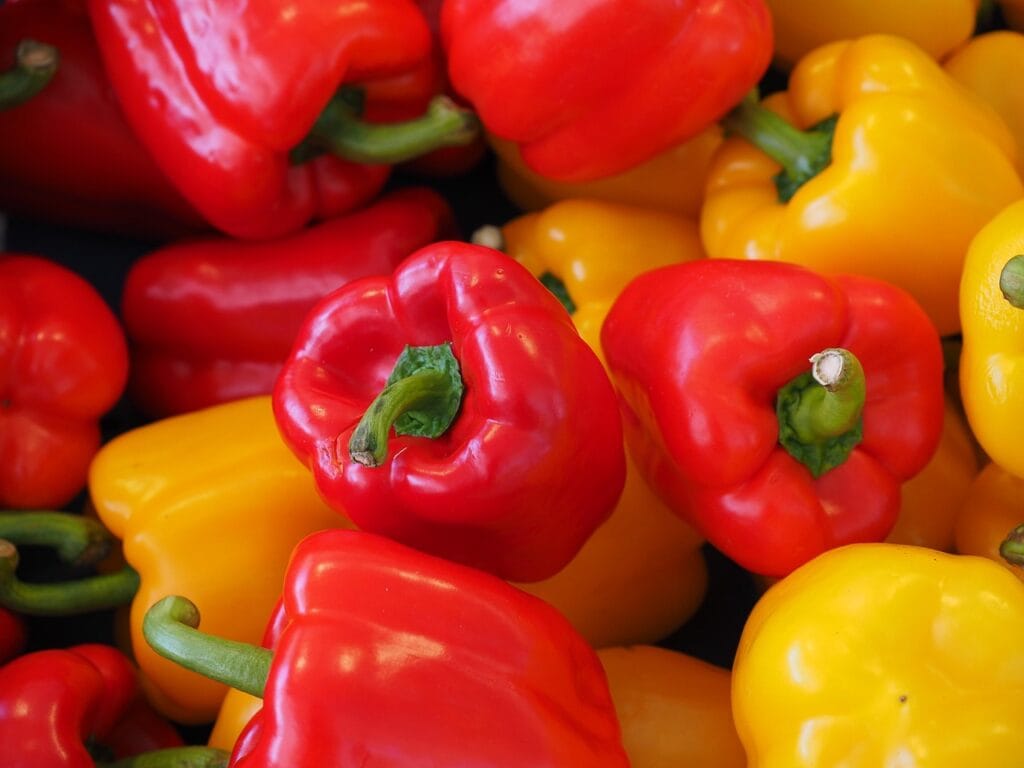
10. Bell Peppers — Colorful and Kidney-Safe
Bell peppers are:
- Low in potassium
- High in Vitamin C and antioxidants
- Versatile and easy to roast, grill, or enjoy raw
Red peppers especially provide strong antioxidant benefits.

Talk to a Renal Dietitian
Kidney needs vary based on:
- Stage of kidney disease
- Lab results
- Other conditions (diabetes, high blood pressure, etc.)
Some people need less protein, others more.
Some require fluid restrictions, while others do not.
A registered renal dietitian can customize an eating plan to protect function and improve comfort.
The Bottom Line
A thoughtful, kidney-conscious diet can:
- Slow disease progression
- Reduce symptoms
- Support heart and overall health
Start with small, sustainable changes.
Choose fresh, whole foods.
Season with herbs and garlic instead of salt.
Let your meals reflect care, balance, and respect for your body.
Your kidneys will thank you.