


For thousands of years, herbs have been used in healing traditions across the world — from Ayurveda to Chinese medicine to Indigenous knowledge systems. Today, many of these herbs are backed by strong modern research confirming what ancient healers already knew: nature provides powerful tools for supporting health, balance, and well-being.
Below are 11 of the most versatile and effective herbs, chosen for their safety, multi-use benefits, and strong scientific support.
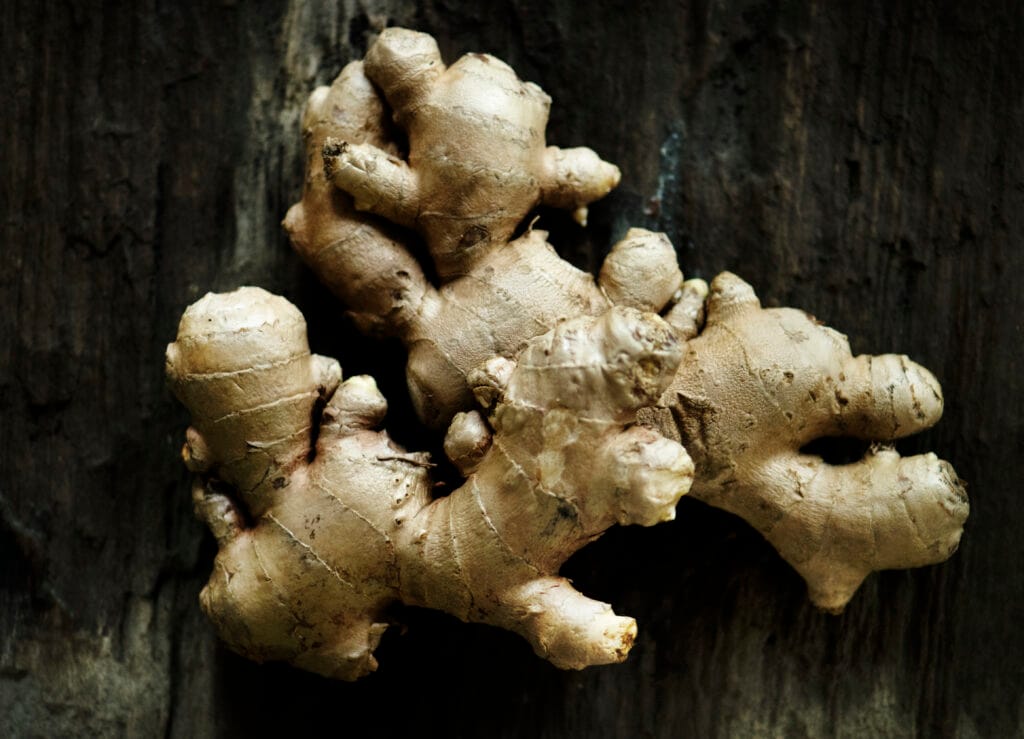
1. Ginger (Zingiber officinale)
A foundational herb in nearly every traditional medicine system.
Primary Uses:
- Nausea (pregnancy, motion sickness, chemotherapy support)
- Digestive support (gas, bloating)
- Anti-inflammatory support (may ease muscle pain & arthritis)
Why It Matters:
Ginger is one of the most reliable natural remedies for nausea and general digestive discomfort.
Common Forms: Fresh root, powder, capsules, tea.

2. Turmeric (Curcuma longa)
Famous for its active compound curcumin, one of nature’s strongest natural anti-inflammatories.
Primary Uses:
- Joint and muscle inflammation
- Metabolic health & antioxidant support
- May support mood and cognitive balance
Key Tip:
Curcumin absorbs far better when taken with black pepper and healthy fats.

3. Garlic (Allium sativum)
A culinary herb with powerful medicinal benefits.
Primary Uses:
- Heart health (may help lower LDL cholesterol and blood pressure)
- Immune support
- Natural antimicrobial & antifungal effects
Why It Matters:
Supports one of the most common modern health concerns — cardiovascular health.
Common Forms: Raw crushed garlic, aged extract, capsules.
Immune Support & Cold Season Herbs

4. Echinacea (Echinacea purpurea / angustifolia)
Best used at the first sign of cold or flu symptoms.
Primary Uses:
- Shortens duration and reduces severity of colds
- Supports immune system response
Common Forms: Tea, tincture, capsules.

5. Elderberry (Sambucus nigra)
Known for strong antiviral action, especially against influenza strains.
Primary Uses:
- Reduces duration of flu symptoms
- Gentle immune support for adults and children
Common Forms: Syrup, lozenges, gummies.
Calming the Nervous System & Promoting Sleep

6. Valerian Root (Valeriana officinalis)
A gentle herbal relaxant.
Primary Uses:
- Trouble falling asleep
- Night-time restlessness
- Mild anxiety
Why It Matters:
Improves sleep without the grogginess of many sleep medications.

7. Chamomile (Matricaria chamomilla)
One of the safest herbs for adults, children, and even infants.
Primary Uses:
- Promotes relaxation and mild sleep support
- Soothes digestive discomfort (including colic in babies)
- Can be used topically for irritated skin
Common Form: Tea (the classic bedtime cup).
Stress, Mood & Adrenal Support

8. Ashwagandha (Withania somnifera)
A leading adaptogen, helping the body cope with stress.
Primary Uses:
- Reduces cortisol (stress hormone)
- Supports energy, focus, and emotional stability
- May improve sleep quality
Common Forms: Powder (in warm milk), capsules.

9. Holy Basil / Tulsi (Ocimum tenuiflorum) (Highly Recommended Addition)
A sacred herb of Ayurveda — and one of the most well-studied modern stress-support herbs.
Primary Uses:
- Reduces stress and anxiety
- Supports immune strength
- Helps balance blood sugar and metabolism
- Enhances clarity and emotional resilience
Why It Belongs on This List:
Tulsi is calming without causing sedation, making it ideal for daily stress support.
Common Forms: Tea, tincture, capsules.
Skin Healing & Household First Aid

10. Aloe Vera (Aloe barbadensis miller)
Primary Uses:
- Sunburns
- Minor cuts and skin irritation
- Hydrating and soothing damaged skin
Best Form: Fresh gel from the plant is superior to many commercial gels.

11. Calendula (Calendula officinalis)
Primary Uses:
- Diaper rash
- Minor burns and cuts
- Dry, irritated, or sensitive skin
Why It Matters:
Extremely gentle — safe even for babies — yet highly effective for skin healing.
Common Forms: Salve, oil, cream.
Using Herbs Safely & Effectively
| Guideline | Why It Matters |
|---|---|
| Know the plant | Correct identification prevents mistakes. |
| Consult a doctor/herbalist if on medication | Some herbs can interact with prescriptions. |
| Start with low doses | Everyone’s body reacts differently. |
| Buy from reputable sources | Ensures purity & correct species. |
| Cycle long-term herbs | Helps maintain effectiveness (e.g., 3 weeks on, 1 week off). |
Final Thoughts
These herbs are foundational, reliable, and widely researched. Learning how to use just this core group can provide support for:
- Digestion
- Immune strength
- Stress management
- Sleep quality
- Skin and wound care
They are nature’s most essential everyday allies.